
Designing Workspaces That Boost Productivity and Employee Wellbeing
- Workspaces & Commercial Design
- November 5, 2025
- Posted by: AHR-Design
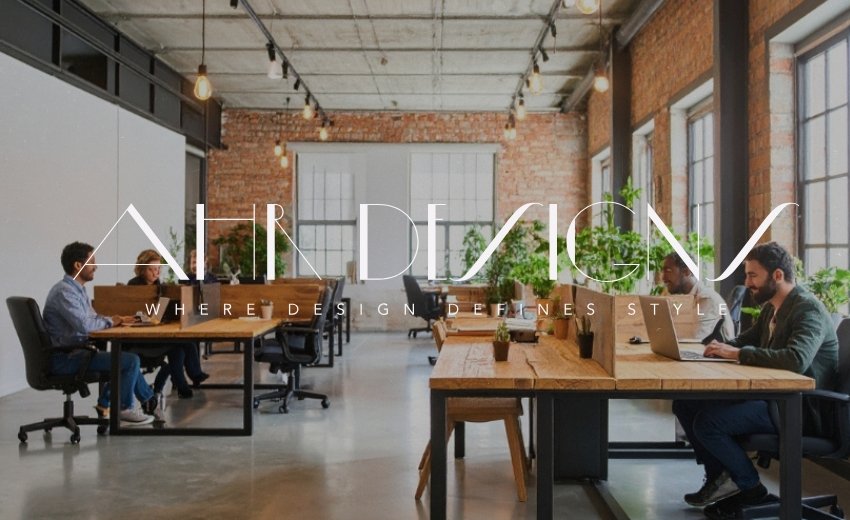
Modern workplaces are no longer just areas where people come to complete tasks. Today, organisations understand that the built environment plays a major role in performance, comfort, creativity, and employee satisfaction. A well-designed workspace supports collaboration, encourages focus, and helps people feel valued. This shift has transformed how commercial interiors are planned, making thoughtful design an essential part of business success.
In this article, we explore how smart workspace design elevates productivity, improves well-being, and creates environments where people work better and feel better.
Why Good Workspace Design Matters More Than Ever
Workplace expectations have evolved. Employees want spaces that feel comfortable, functional, and inspiring. Businesses want environments that support efficiency, teamwork, and professional presentation. With hybrid work becoming standard, offices are expected to offer something home offices cannot—connection, comfort, and an environment that enhances performance.
A well-designed workspace contributes to:
• Improved employee satisfaction
• Better team collaboration
• Higher productivity
• Stronger brand identity
• Reduced stress and fatigue
• Easier staff retention
When people enjoy where they work, they produce better results.
Creating Functional Layouts That Support Real Workflows
The layout of a workspace influences how effectively a team communicates, moves, and uses its environment. A thoughtful commercial layout ensures that every area serves a purpose.
Effective layouts include:
• Open spaces for collaboration
• Quiet zones for focused work
• Meeting rooms of various sizes
• Breakout areas for informal discussions
• Flexible spaces for changing needs
• Dedicated storage and utility zones
When a workspace aligns with daily operations, tasks become easier, communication improves, and overall efficiency increases.
Encouraging Focus Through Smart Zoning
Zoning is one of the most powerful tools in commercial design. By separating areas based on purpose, you reduce distractions and create flow.
Examples of zoning include:
• Private rooms for one-on-one meetings
• Dedicated quiet work pods
• Social areas away from focused tasks
• High-activity zones, like reception placed strategically
• Team collaboration zones with writable walls and digital tools
This ensures each part of the office supports the work being done there.
Using Lighting to Improve Comfort and Productivity
Lighting strongly affects energy levels, mood, and concentration. Poor lighting causes eye strain and fatigue, while good lighting boosts performance and well-being.
The best workspace lighting combines:
• Generous natural light
• Adjustable LED task lighting
• Soft ambient lighting for balance
• Glare-free workstation illumination
• Accent lighting for visual interest
Natural light is particularly important because it improves focus, reduces headaches, and supports healthier sleep patterns, helping employees feel better throughout the day.
Selecting Materials That Support a Healthy Workspace
Materials influence acoustics, durability, mood, and overall comfort. In commercial spaces, the right materials help create a calming, professional environment.
Common workspace-friendly materials include:
• Acoustic panels to reduce noise
• Durable flooring for high-traffic areas
• Soft furnishings for comfort
• Warm timber accents to reduce visual harshness
• Low-toxicity finishes for healthier air quality
Designing with wellbeing in mind improves how people feel and perform at work.