
Why 3D Visualisation Is Essential for Modern Building Projects
- Visualisation & Creativity
- November 2, 2025
- Posted by: AHR-Design
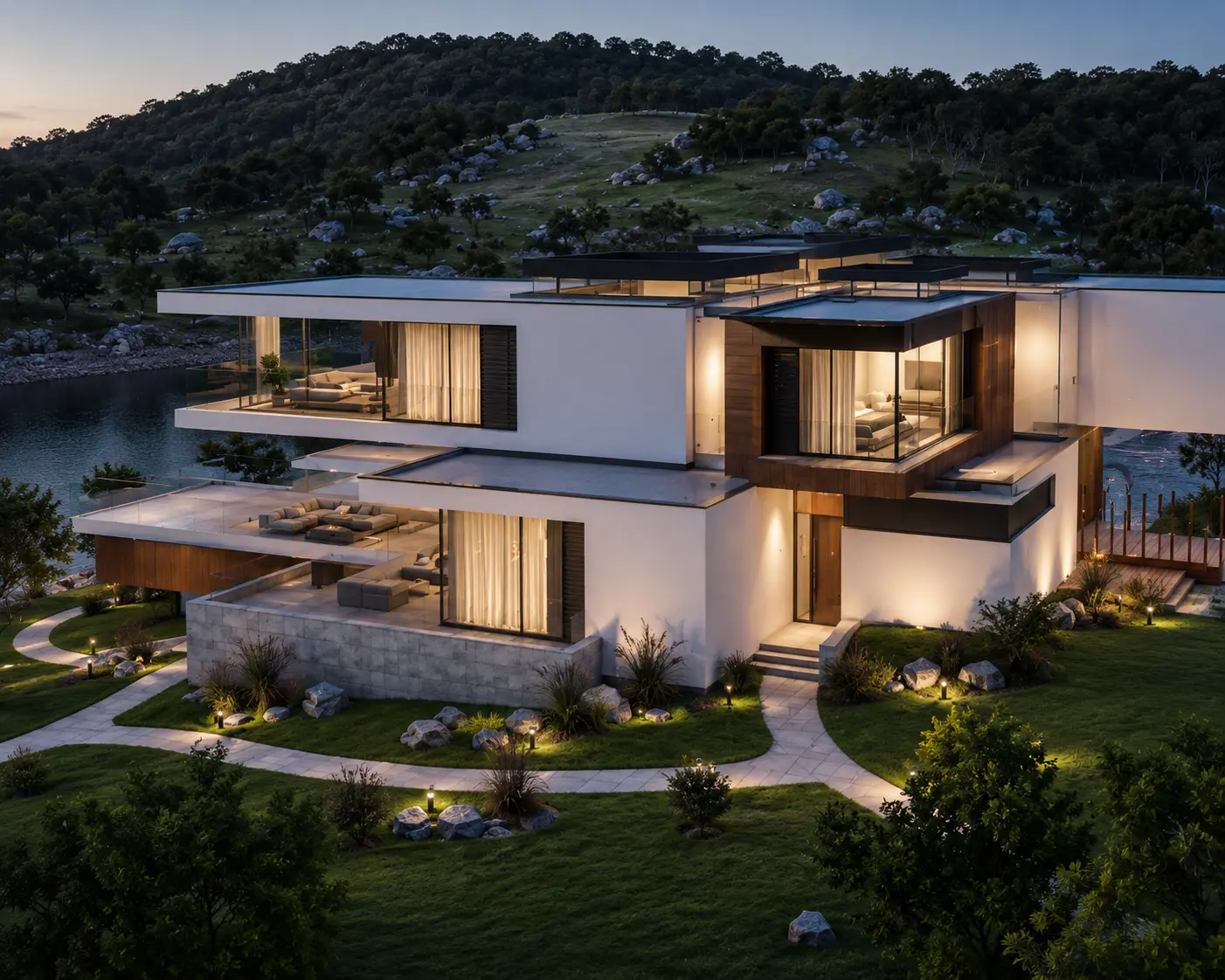
3D visualisation has become one of the most important tools in today’s architecture and interior design industry. It has transformed how clients, designers, and builders communicate ideas, make decisions, and understand project outcomes. For anyone planning a new home, renovation, commercial space, or development, 3D visualisation removes uncertainty and replaces it with clarity.
Modern building projects require precision, smarter planning, and stronger communication. This is where 3D visualisation plays a major role, helping both designers and clients create spaces that align perfectly with expectations.
This detailed guide explains why 3D visualisation is now essential, how it improves every phase of a project, and why more homeowners and developers rely on it before construction begins.
Visualising the Final Design Before Construction
Understanding a design from floor plans alone can be difficult. Most clients struggle to imagine scale, lighting, depth, materials, and overall feel. This is where 3D visualisation becomes invaluable.
A realistic render gives you the opportunity to see your future space almost exactly as it will appear in real life. You can view:
• Material finishes
• Wall colours and textures
• Furniture layouts
• Joinery details
• Exterior façades
• Landscaping
• Lighting behaviour
This creates confidence early on. When clients can see their home or commercial space visually, decision-making becomes easier, and the fear of the unknown disappears. It also builds trust between the client and the designer because the design intent is clearly displayed.
Better Decision-Making Through Clear and Accurate Visuals
One of the biggest frustrations in building projects is making decisions based on incomplete information. 3D visualisation solves this problem by showing options clearly before work begins.
Clients can compare:
• Different finishes
• Layout arrangements
• Furniture placement
• Lighting choices
• Exterior colour schemes
• Material alternatives
This avoids making rushed decisions during construction, where changes can be expensive and time-consuming. With visualisation, you have time to explore options calmly.
3D renders also improve communication with consultants, builders, and trades. Everyone understands the design the same way, reducing misunderstandings and costly mistakes.
Minimising Errors and Preventing Costly On-Site Changes
Traditional 2D drawings are essential for construction, but they do not always reveal potential design issues. 3D visualisation highlights problems early, such as:
• Rooms that feel too small or too large
• Poor natural light
• Awkward furniture arrangements
• Clashing materials
• Design elements that look better in theory than in reality
By revealing these issues before construction, clients can make adjustments with minimal cost. Preventing errors early is much cheaper than correcting them once work has started.
For builders and trades, a clear visual reference ensures smoother execution. It reduces the chance of misinterpretation and helps maintain quality control.
Boosting Creativity and Exploring More Design Possibilities
3D visualisation gives designers the flexibility to experiment without risk. Instead of settling on one design early, multiple concepts can be quickly generated.
Clients can explore:
• Two or three façade design variations
• Alternate kitchen layouts
• Multiple bathroom tile patterns
• Different joinery designs
• Colour palettes and styling options
Seeing several versions side by side helps clients choose confidently.
Without 3D visualisation, many design possibilities remain unexplored because clients cannot imagine the outcome. Visualisation encourages creativity and results in a design tailored to personal style and practical living.
Improving Client Confidence and Strengthening Communication
Building a home or commercial space is a major financial commitment. Confidence comes from clarity, and clarity comes from visual information.
3D visualisation removes uncertainty and ensures clients understand the design fully. This strengthens collaboration between the client and the designer.
Clients feel reassured because:
• They know what to expect
• They see the design before construction
• They feel included in the process
• They can express preferences clearly
• They avoid unexpected outcomes
When clients trust the process, projects run more smoothly and satisfaction increases.
Supporting Marketing, Selling, and Project Presentations
Developers, business owners, and commercial clients rely heavily on 3D visualisation because it helps them showcase projects before construction.
Realistic, high-quality renders are ideal for:
• Pre-sales marketing
• Early leasing campaigns
• Investor presentations
• Internal design reviews
• Stakeholder approvals
A project presented through 3D renders looks polished, professional, and easier to understand.
This is especially important for commercial spaces, retail fit-outs, hospitality venues, and developments where stakeholders must see the design before investing or approving.
Creating a Smoother, More Efficient Project Workflow
Construction becomes easier when everyone has a shared visual reference. 3D visualisation supports a streamlined project journey from start to finish.
It improves:
• Communication between teams
• Accuracy in construction
• Selection of materials and products
• Coordination between consultants
• On-site planning
• Project timelines
A visualised design means fewer mistakes, fewer phone calls for clarification, and fewer delays. Everything is planned with greater certainty.
Why 3D Visualisation Is Now a Standard Part of Modern Building
The building industry has changed. People expect more clarity, more precision, and more control over design outcomes. 3D visualisation delivers this.
For homeowners, it removes doubt.
For designers, it improves creativity.
For builders, it reduces mistakes.
For developers, it supports marketing and sales.
No matter the type of project, visualisation brings accuracy to every stage.
Conclusion
3D visualisation is essential for modern building projects because it delivers clarity, improves decision-making, reduces risk, and enhances the overall design experience. It helps transform ideas into realistic, accurate visuals that guide the entire project journey.
For anyone planning a residential or commercial build, partnering with professionals who use high-quality visualisation tools leads to smoother processes, fewer surprises, and a final outcome that aligns perfectly with the original vision.